
11.15.26
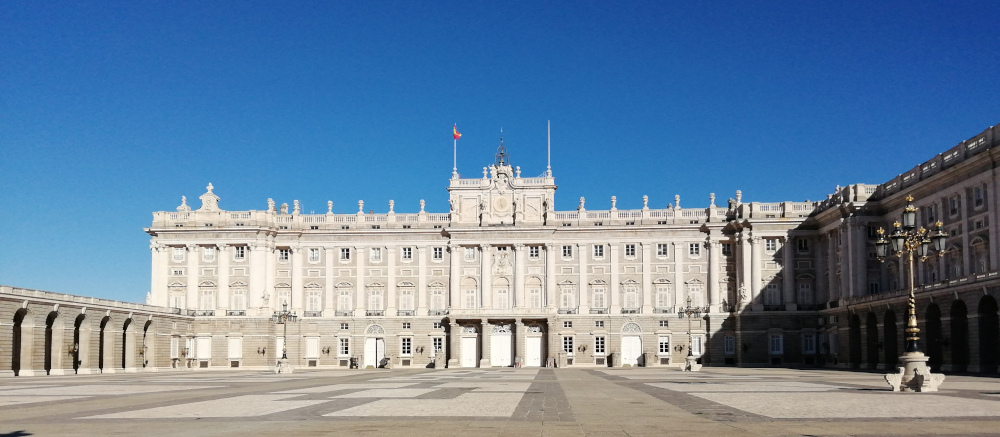
The Royal Palace of Madrid is one of the most important historic monuments in Spain and one of the main attractions for visitors to the Spanish capital. Located in the western part of the historic centre, it stands beside the Plaza de Oriente and the Almudena Cathedral.
With its impressive architecture, decorated halls and valuable art collections, the palace offers an insight into the history of the Spanish monarchy and the country's royal traditions.
Although it is the official residence of the King of Spain, the palace is mainly used today for state ceremonies and official events. Visitors can explore many of its rooms and discover the history of one of Europe's largest royal palaces.
In this guide, we explore its history, architectural features and the main areas worth visiting.
• History of the Royal Palace
• Architecture and Design
• Inside the Royal Palace
• The Royal Armory
• Plaza de Oriente
• Visitor Information
The history of the Royal Palace dates back to the Middle Ages, when a fortress known as the Royal Alcázar of Madrid stood on this site. It served as a royal residence for several Spanish monarchs before being destroyed by a major fire in 1734.
Following the fire, King Philip V ordered the construction of a new palace that would reflect the power and prestige of the Spanish monarchy. The project began in 1738 and was designed by the Italian architect Filippo Juvarra, with later contributions from other architects, including Giovanni Battista Sacchetti.
The palace was completed during the reign of Charles III, who became the first monarch to live there in 1764. Since then, it has played an important role in Spanish royal history and has hosted numerous official ceremonies and important historical events.
The Royal Palace is an outstanding example of European Baroque architecture, with influences from Italian and French royal buildings. Its monumental façade, symmetrical design and large courtyards give it an impressive appearance.
The building is constructed mainly from granite and limestone, creating a contrast between its different architectural elements. Its elegant balconies, columns and sculptural decorations reflect the artistic ambitions of the Spanish monarchy during the 18th century.
The palace has more than 3,000 rooms, although only a selection is open to visitors. Its size and architectural details make it one of the most remarkable buildings in Madrid.
One of the highlights of a visit is the opportunity to explore the palace's richly decorated interior. Many rooms preserve their original furnishings, paintings, tapestries and decorative objects.
The Throne Room is among the most impressive spaces, with its elaborate ceiling paintings, red velvet walls and ornate decoration. It is used for important state ceremonies and official receptions.
Another important room is the Royal Dining Room, which features a long table prepared for formal banquets. The Hall of Mirrors and the Royal Chapel are also notable spaces that reveal the artistic richness of the palace.
Visitors can also admire works of art, historic clocks, musical instruments and decorative collections that reflect the tastes and traditions of the Spanish royal family.
The Royal Armory of Madrid is one of the most important historical collections housed within the palace complex. It contains weapons, armour and military equipment belonging to Spanish monarchs and members of the royal family.
The collection includes beautifully decorated suits of armour, swords, firearms and objects dating from different periods of Spanish history. Many pieces are notable for their craftsmanship and historical importance.
For visitors interested in European history and military heritage, the Royal Armory is an especially interesting part of the palace complex.
The area surrounding the Royal Palace is also worth exploring. Plaza de Oriente, located in front of the eastern façade, is one of the most attractive squares in central Madrid.
The square features landscaped gardens, sculptures of Spanish monarchs and pleasant walking paths. It is a popular place to take photographs of the palace and enjoy views of its impressive façade.
Nearby, visitors can also find the Almudena Cathedral, the Royal Theatre and several historic streets leading towards the centre of Madrid.
The Royal Palace is open to the public on most days, although opening times may change due to official ceremonies and state events. It is advisable to check the official website before planning a visit.
Tickets can be purchased online or at the ticket office, depending on availability. Booking in advance is a good idea, especially during weekends, holidays and the main tourist season.
Visitors should allow enough time to explore the palace rooms and the surrounding area. Combining the visit with Plaza de Oriente and Almudena Cathedral makes for an interesting walk through one of Madrid's most historic neighbourhoods.
For updated information about tickets, opening hours and visiting conditions, consult the official Royal Palace visitor website.
The Royal Palace is just one of the many historic landmarks worth visiting in the Spanish capital. Madrid also offers important museums, beautiful parks, traditional squares and lively neighbourhoods.
If you are planning a trip, take a look at our complete guide to what to see in Madrid, where you can discover more attractions and places of interest throughout the city.
From the Royal Palace to the Prado Museum and Retiro Park, Madrid offers plenty of opportunities to explore Spanish history, art and culture.
Archive: Travel articles by country › Spain
Related links
What to See in Madrid, Spain: Top Attractions and Historic Landmarks
Time and date Madrid