
8.20.26
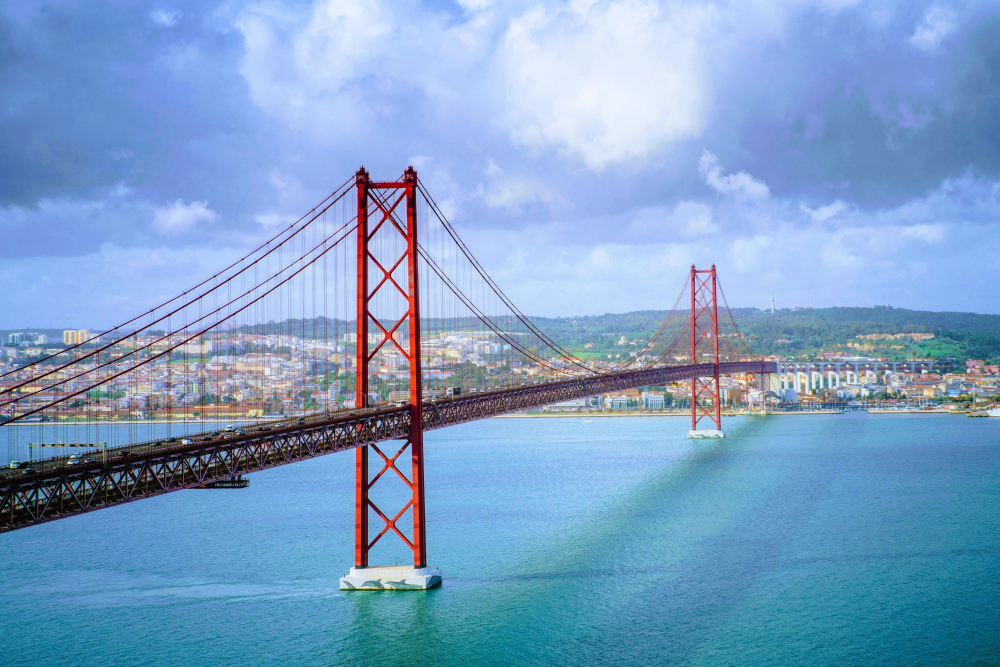
Lisbon, the capital of Portugal, is a city shaped by its maritime history, distinctive architecture and lively neighbourhoods. Built around the Tagus River, Lisbon combines historic monuments, traditional tiled façades, viewpoints overlooking the city and a relaxed atmosphere that makes it one of Europe's most appealing destinations. From the medieval streets of Alfama to the grand monuments of Belém, exploring Lisbon reveals a fascinating combination of history and everyday Portuguese life.
Lisbon has a long and complex history that can be discovered throughout its streets and monuments. The medieval São Jorge Castle occupies a prominent position above the historic centre and offers impressive views across the rooftops and the Tagus River.
In the Belém district, the Jerónimos Monastery is one of the finest examples of Manueline architecture in Portugal. Nearby, the Belém Tower stands beside the river as a reminder of the country's great maritime age, when Portuguese explorers set out on voyages across the world.
The city's architecture is also characterized by colourful façades, traditional Portuguese tiles known as azulejos, historic churches and elegant squares. These details give Lisbon much of its distinctive visual character.
One of the best ways to experience Lisbon is by exploring its historic neighbourhoods on foot. Alfama, one of the oldest districts in the city, is a maze of narrow streets, stairways and traditional houses that climb the hillside below São Jorge Castle.
The Bairro Alto is known for its lively atmosphere, restaurants and traditional venues, while the neighbouring Chiado combines historic buildings with cafés, shops and cultural attractions.
Lisbon is also famous for its miradouros, or viewpoints. Places such as Miradouro da Senhora do Monte provide spectacular panoramas over the historic centre, the surrounding hills and the Tagus River.
Food is an important part of Portuguese culture, and Lisbon offers many opportunities to discover traditional flavours. Fish and seafood feature prominently in local cuisine, while bacalhau, Portuguese salted cod, appears in numerous traditional recipes.
Visitors should also try the famous pastéis de nata, small custard tarts with a crisp pastry shell that have become one of Portugal's best-known culinary specialties. Local markets, cafés and traditional restaurants provide plenty of opportunities to experience Lisbon's food culture.
The Tagus River has played a fundamental role in the history and development of Lisbon. Its broad waterfront provides some of the city's most memorable views, particularly around Belém and the areas beneath the 25 de Abril Bridge.
The river also helps explain Lisbon's connection with Portugal's maritime past. Exploring the waterfront provides a different perspective of the city and highlights the relationship between Lisbon and the Atlantic Ocean.
Lisbon is a destination where history, architecture, food and everyday life come together naturally. Its historic neighbourhoods, monuments, viewpoints and riverside landscapes offer a wide variety of experiences for travellers.
Whether exploring the narrow streets of Alfama, admiring the monuments of Belém, tasting traditional Portuguese food or watching the sunset over the Tagus, Lisbon rewards visitors who take the time to discover the city beyond its most famous landmarks.
Archive: Travel articles by country › Portugal
Related links
Time in Lisbon now